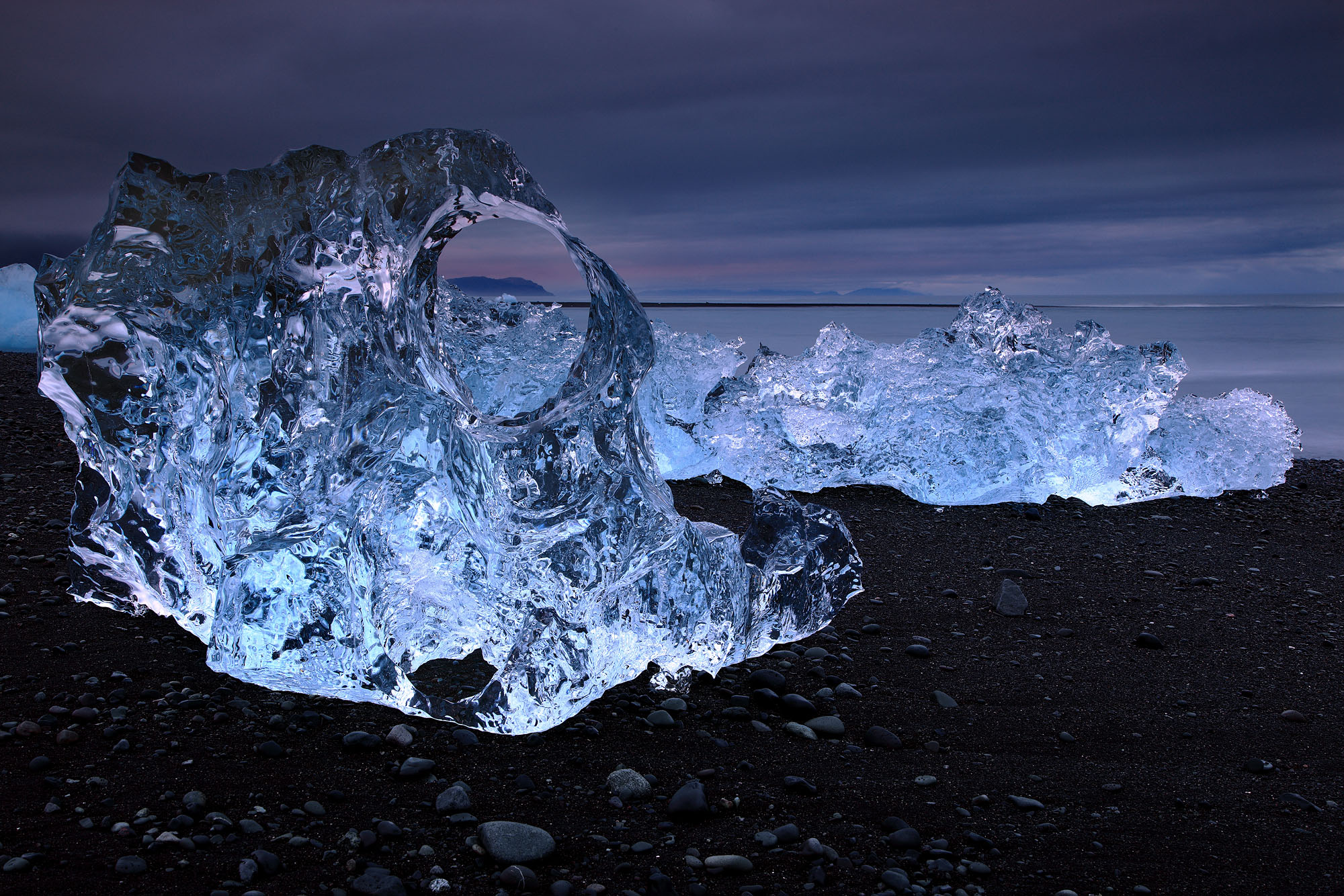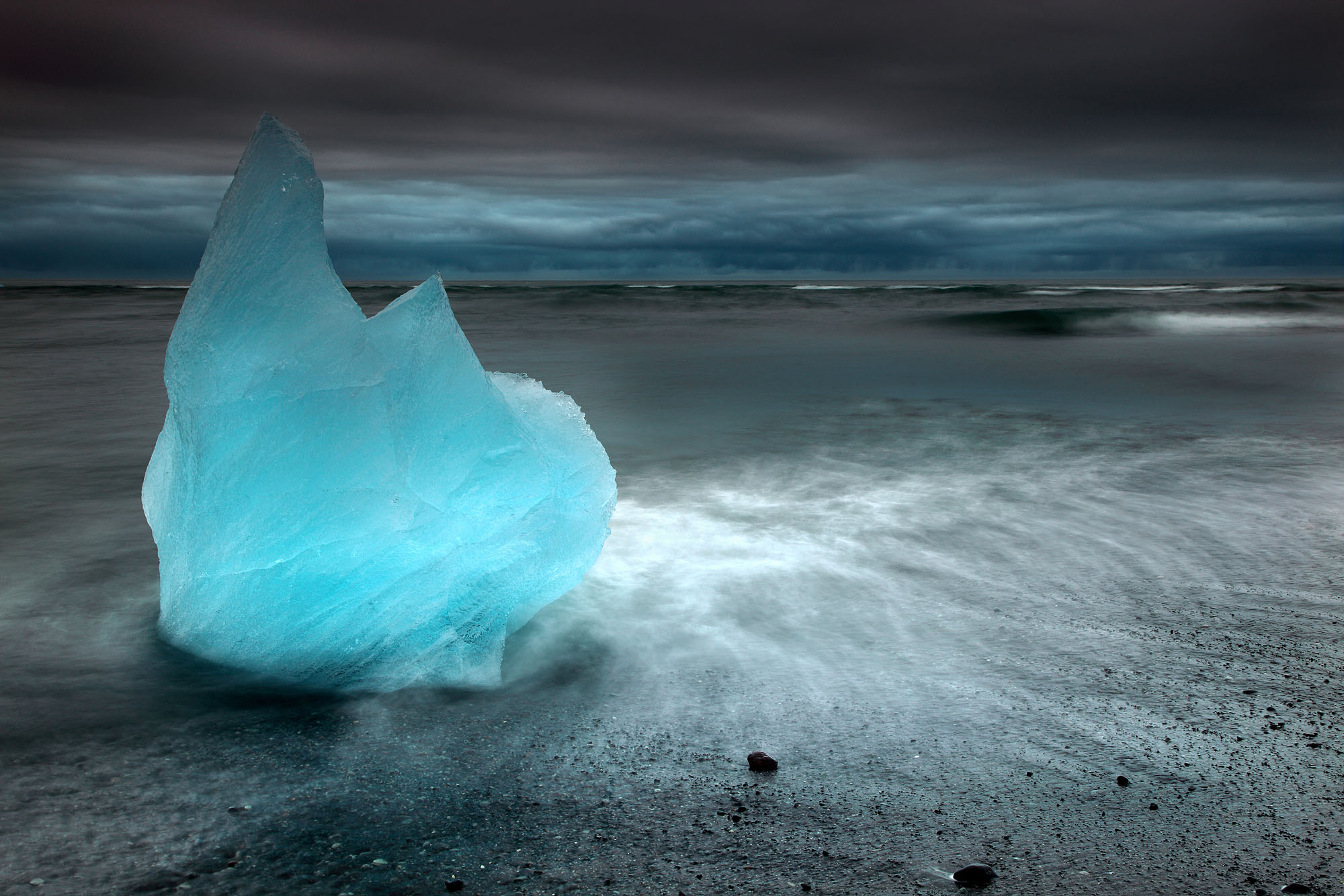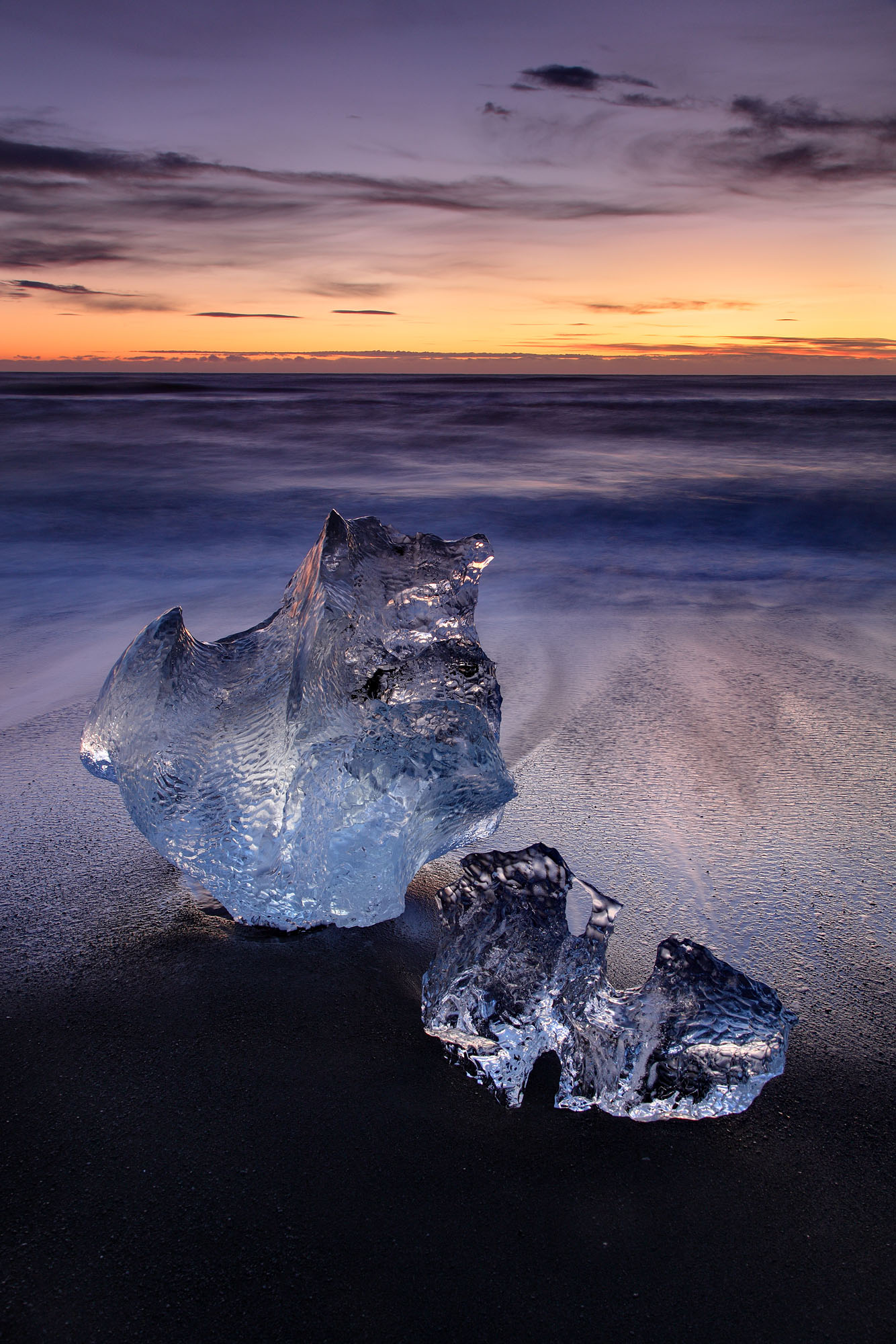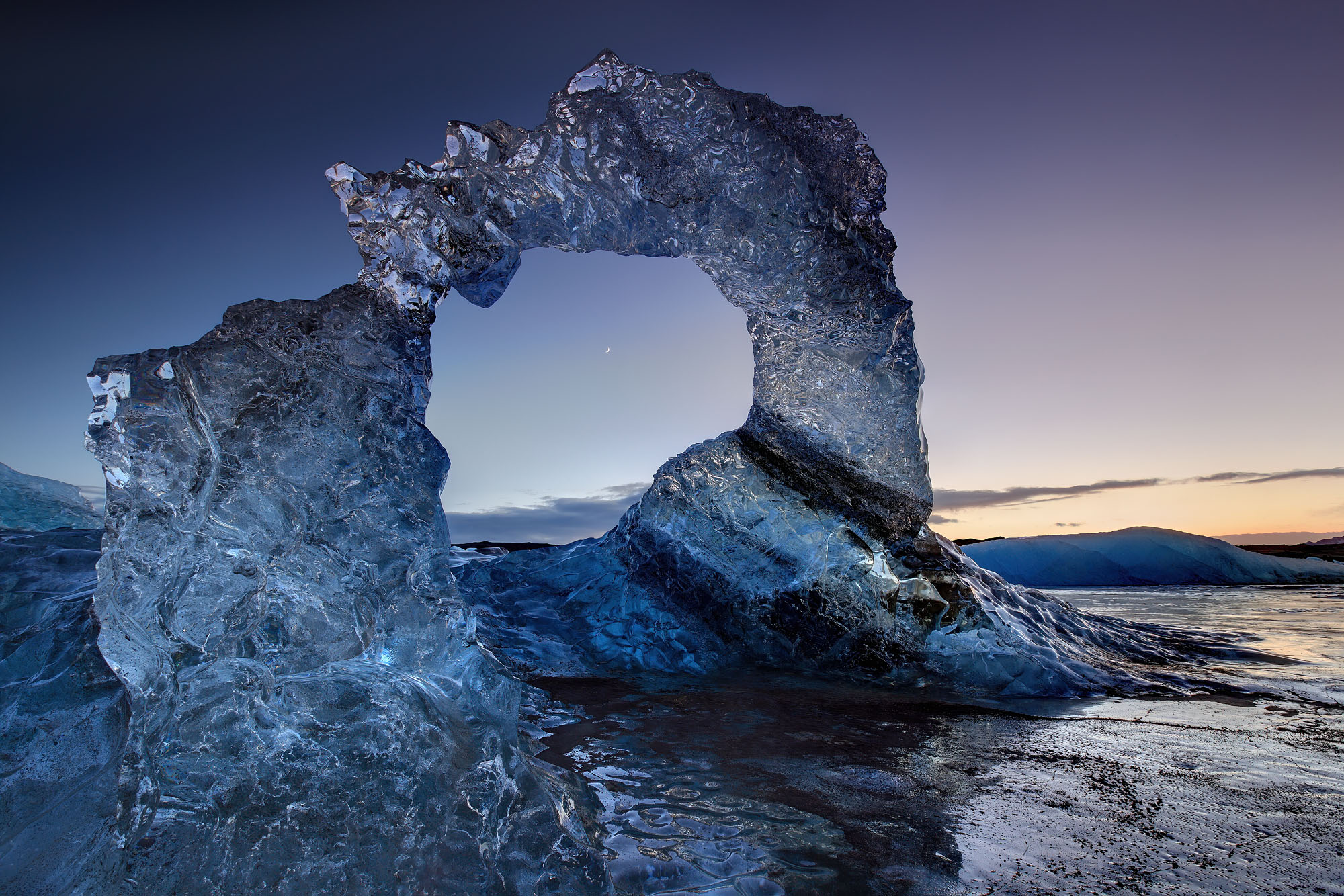

The winter sun slowly rises behind this spectacularly shaped iceberg, beached on the black volcanic basalt sand of Jökulsárlón Strandur in Iceland at low tide.
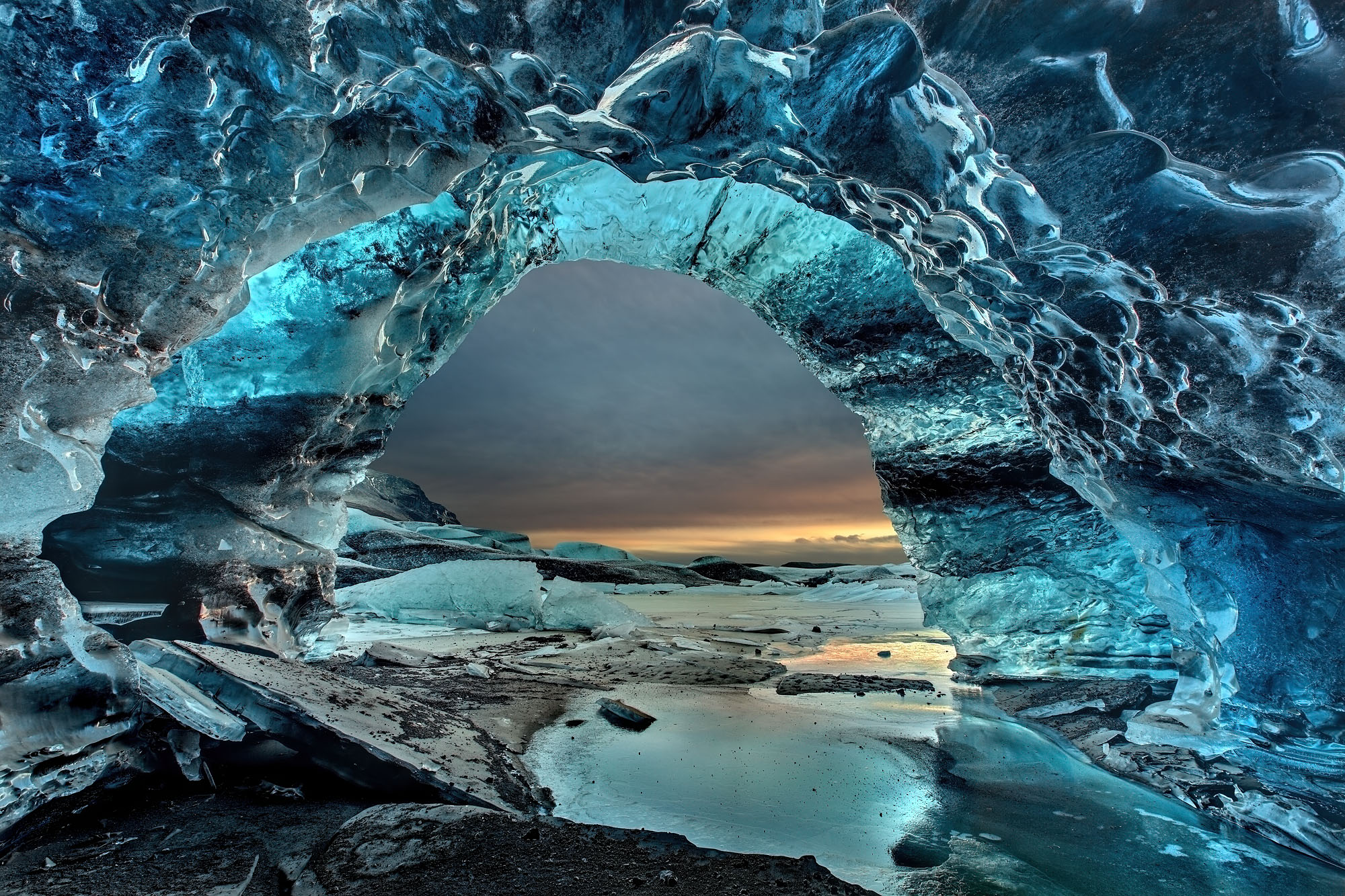
Two brief periods of about three weeks each, in summer and winter, offer particularly extraordinary photographic conditions in Iceland. These are the periods around the midnight sun on June 21 and the winter solstice on December 21, the longest and shortest days of the year. During both periods, the sun remains low above the horizon for hours, creating seemingly endless sunrises and sunsets. In summer, the sun circles the northern horizon; in winter, it follows a low arc across the south. This 180-degree shift in the direction of sunlight gives Iceland’s spectacular landscapes two distinctly different faces.
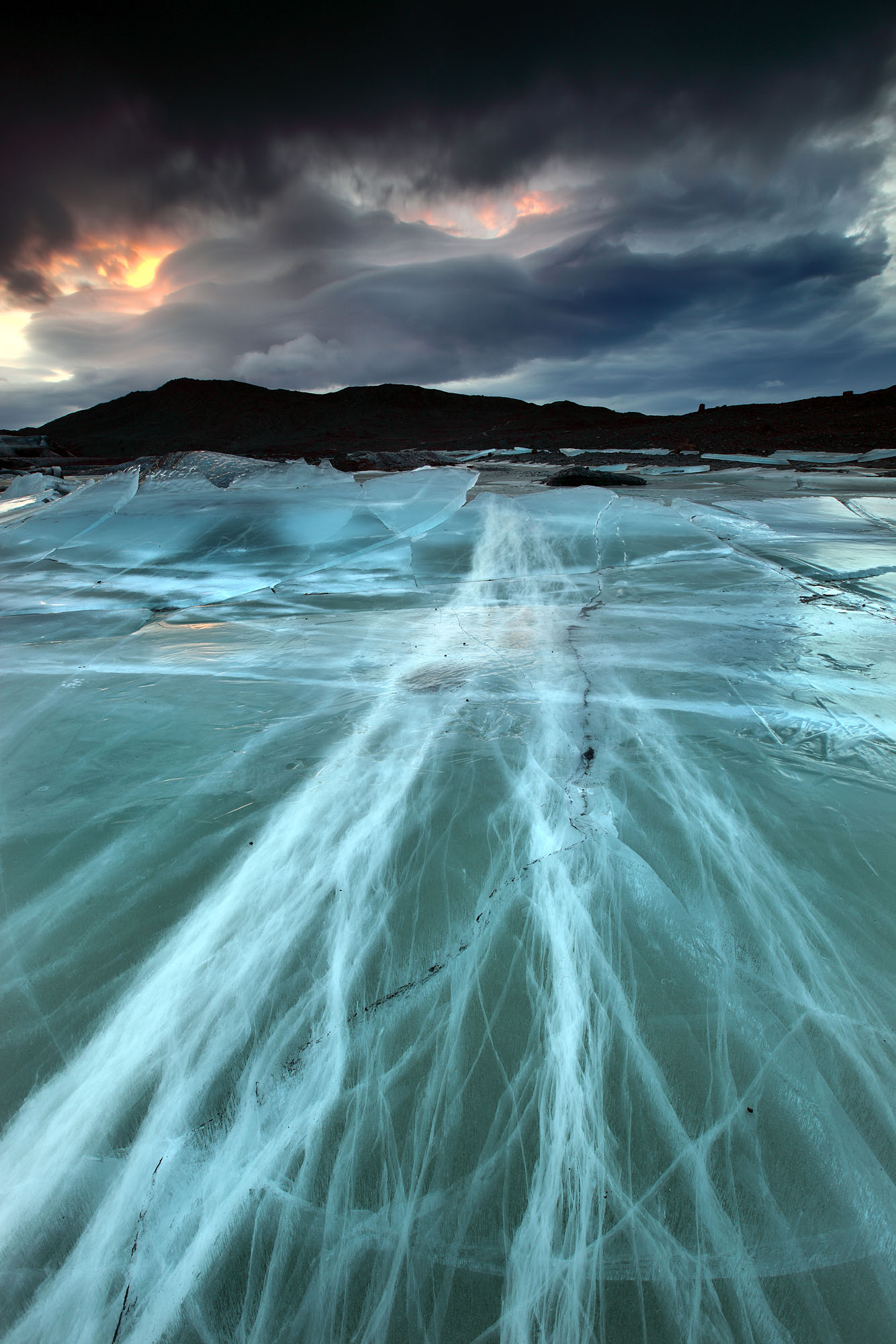
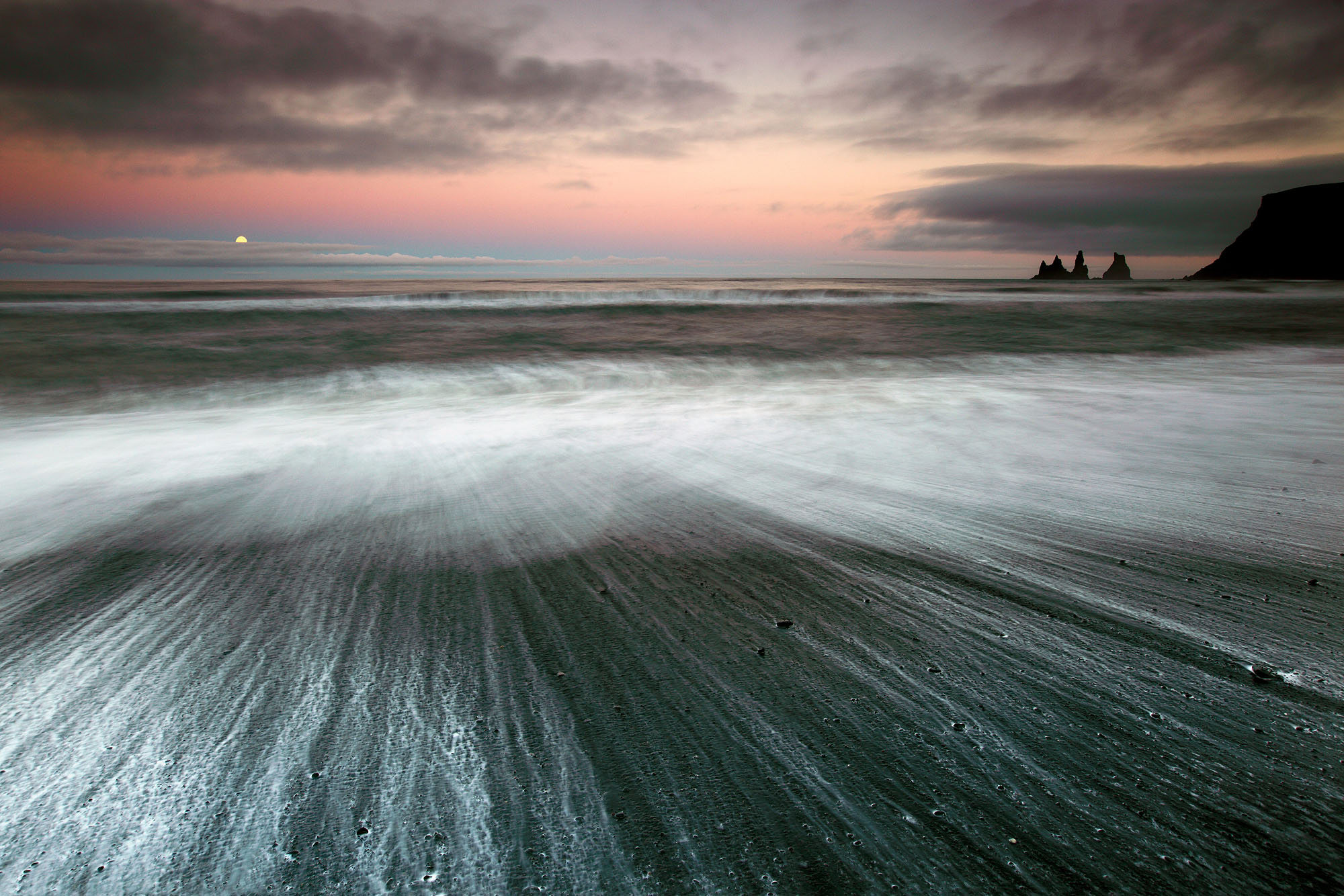
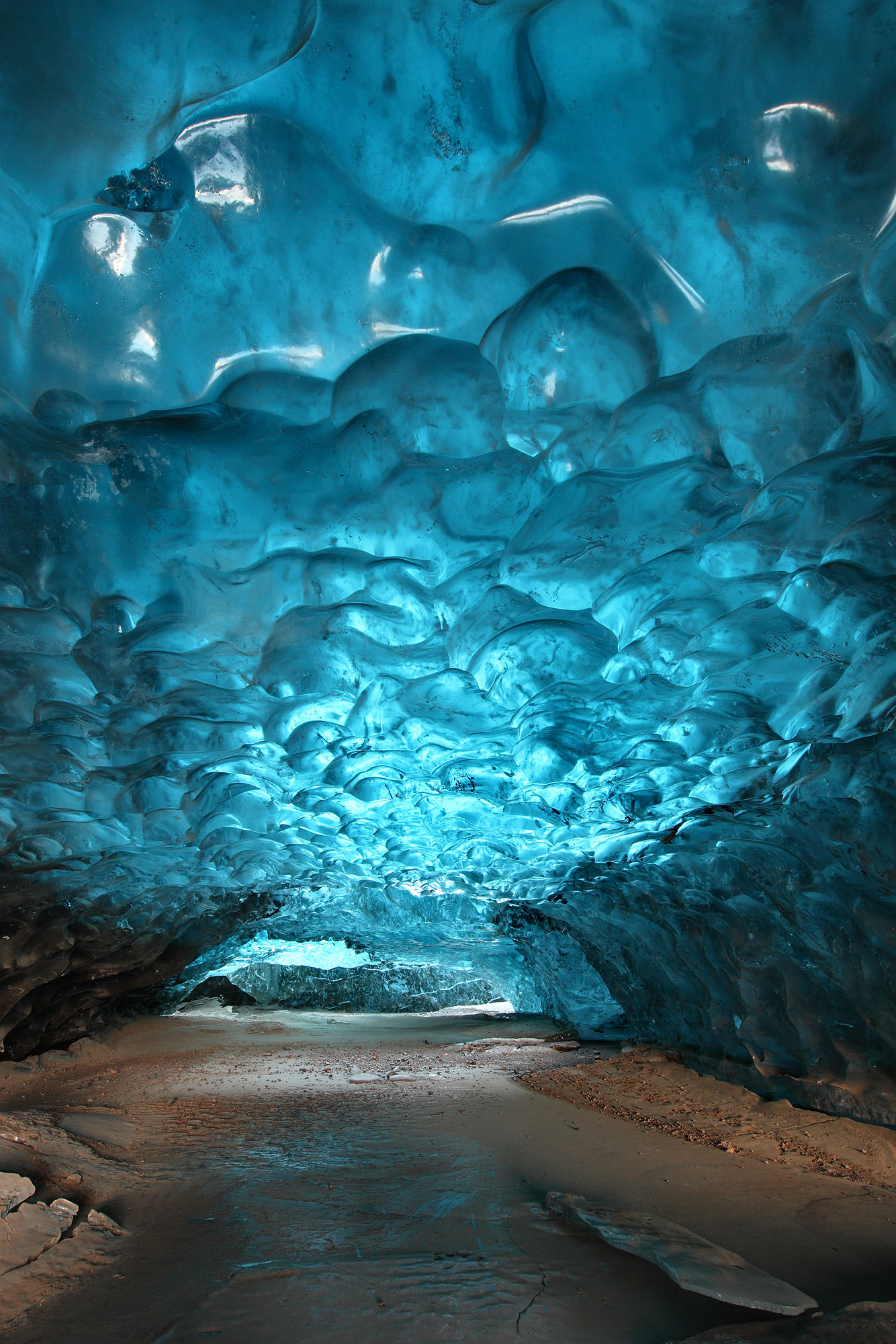
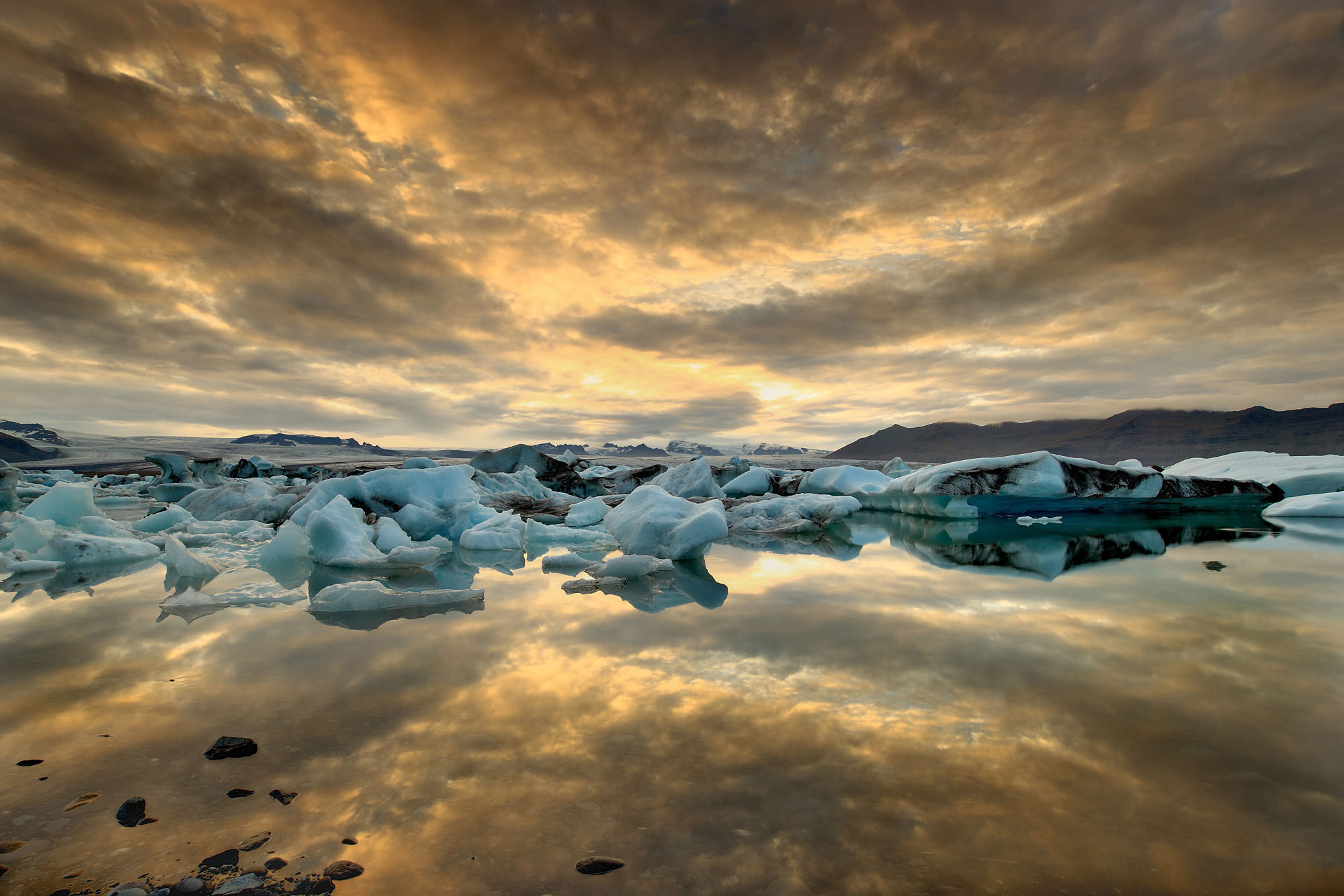
This black volcanic beach borders the glacial lagoon of Jökulsárlón, which in turn lies at the edge of the Vatnajökull ice cap. At the outlet of the frozen lagoon, the strong tidal currents of the North Atlantic break up the lagoon ice twice a day. Compared with summer, fewer icebergs reach the open ocean in winter, but enough survive to wash ashore at low tide. Under favorable winter weather conditions, this creates a unique natural spectacle as the rising sun appears directly behind the stranded icebergs.
Backlit by the low winter sun, every crystalline plane within the ice catches the light and reflects it in a multitude of directions. The icebergs sparkle like diamonds on velvet or like gold nuggets scattered across the black basaltic sand of the beach.
This enchanting glow seems to reach straight to the heart, momentarily banishing any awareness of the icy cold surrounding the scene. An almost luminous sense of wonder spreads through the soul and lingers long after the sun has risen.